Tolo & Asine
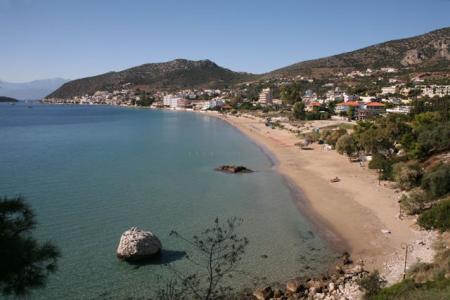 TOLO & ASINE - Distance from Ermioni: 83km / 1hr 15min
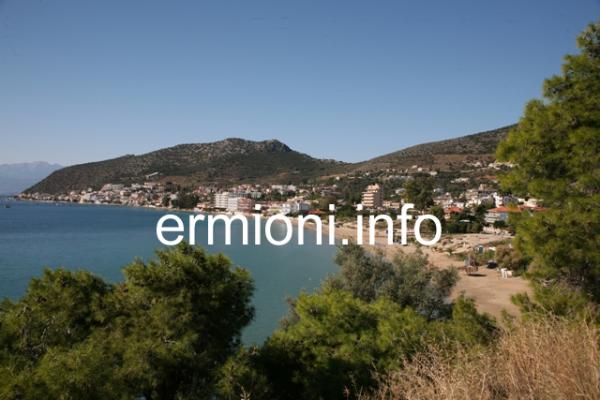
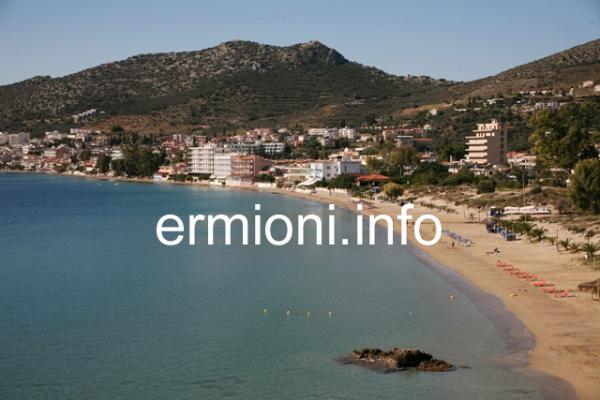
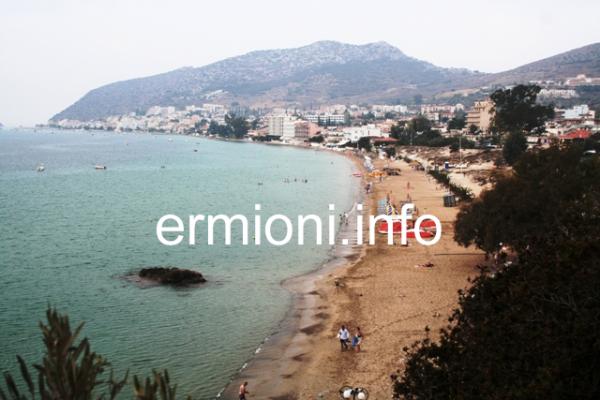
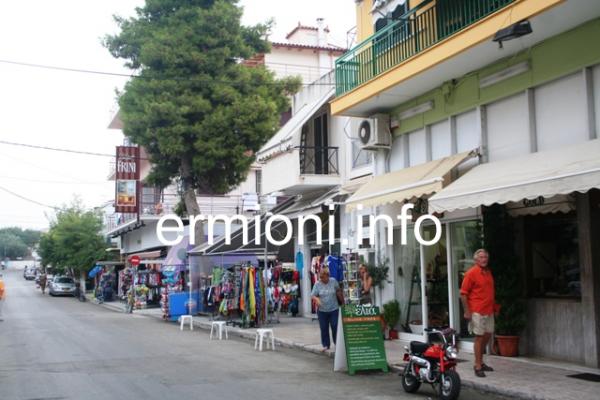
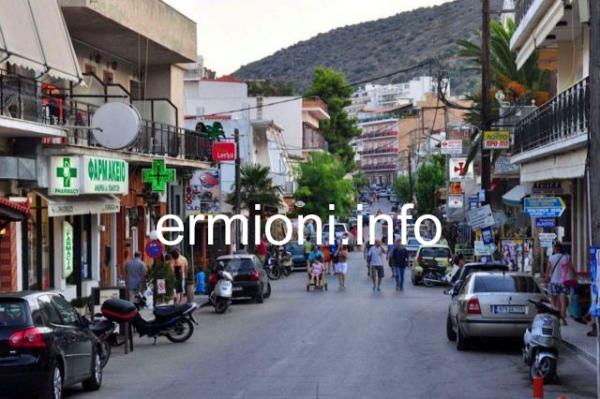
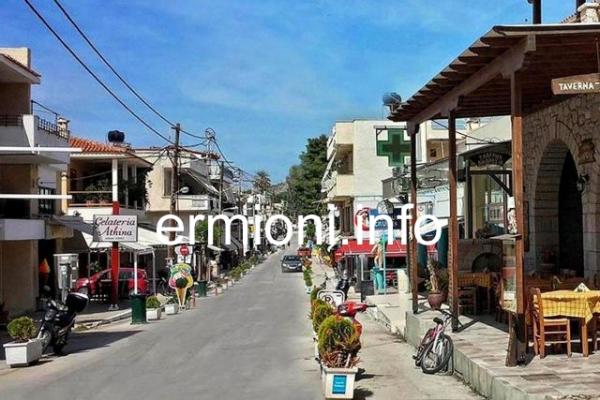
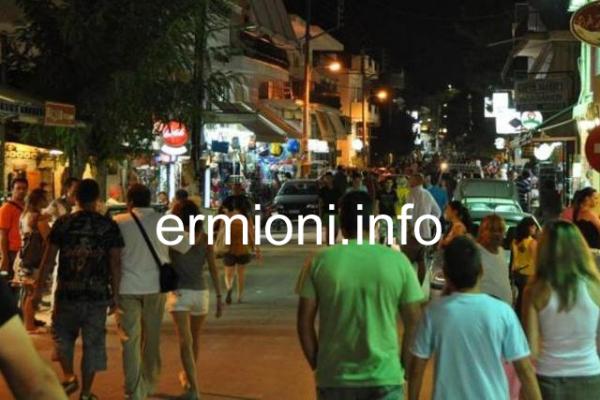
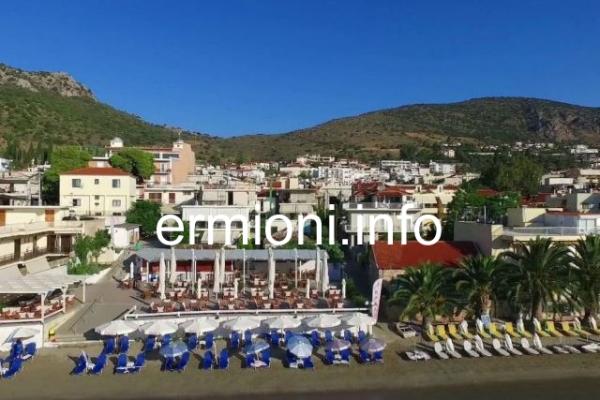
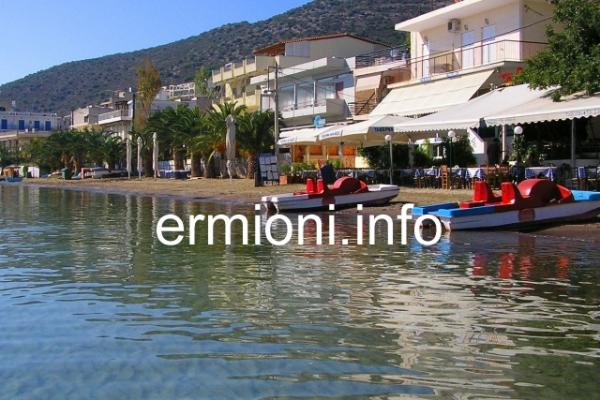
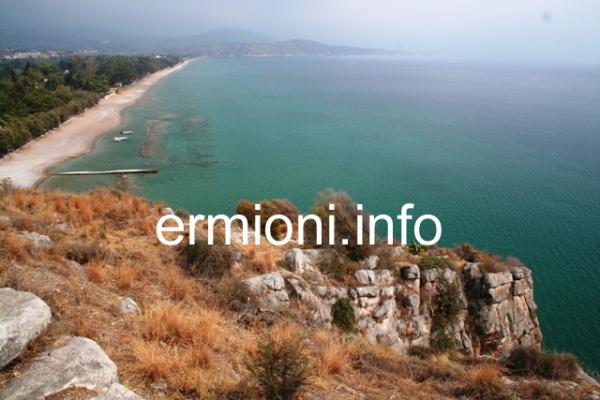
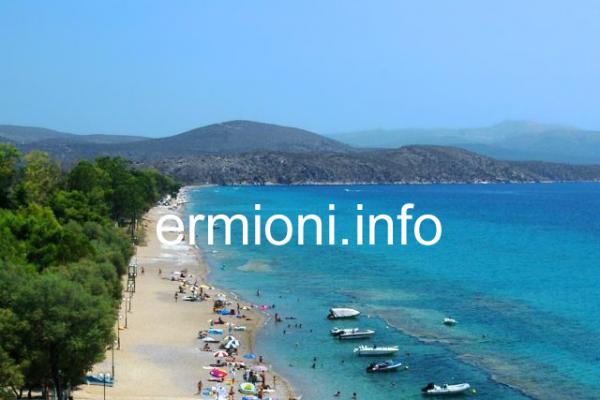
Tolo (Tolon) is a commercial tourist resort by the sea, situated 10 kms South-West of Nafplio, with the main occupation being tourism and fishing. Tolo has a beautiful long sandy beach which consistently gets numerous tourists, and is a seasonal resort offering the summer visitor numerous luxury hotels, traditional and modern tavernas, cafes and bars, where one can party day or night or just relax along the beachfront in the summer sun. Tolo also offers its visitors the opportunity to visit many places of interest including sea cruises to Monemvasia and the islands of Spetses and Hydra. In addition to the clean sandy beach and the warm blue sea for swimming, there are numerous tourist shops, where the visitors can browse at leisure. The seasonal period of the resort is April until October, where it can get busy with visitors from home and abroad, especially during mid-July and August.
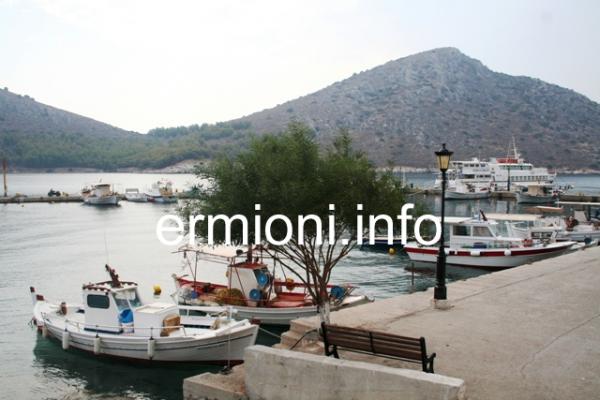
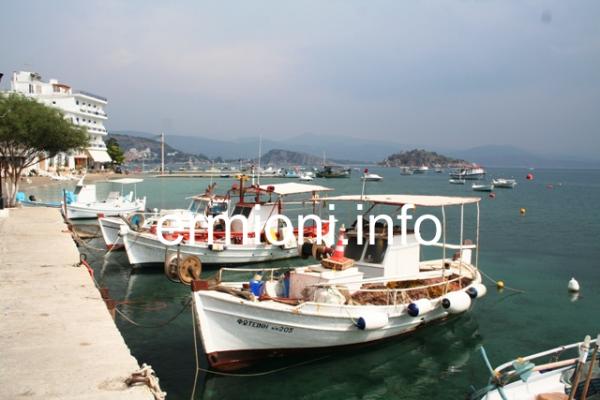
Tolo has a long one-way road system that takes you from the Ancient Assini area and along the colourful main street to the busy fishing port at the far end of the town. After the summer season, most of Tolo closes and the 1,500 inhabitants continue with their daily lives of fishing and farming. During late September or early October, the 'Trata Feast' takes place which is well worth a visit. During this big celebration, most residents get to sing, dance, eat, drink and enjoy all the local products, including fresh sea food.
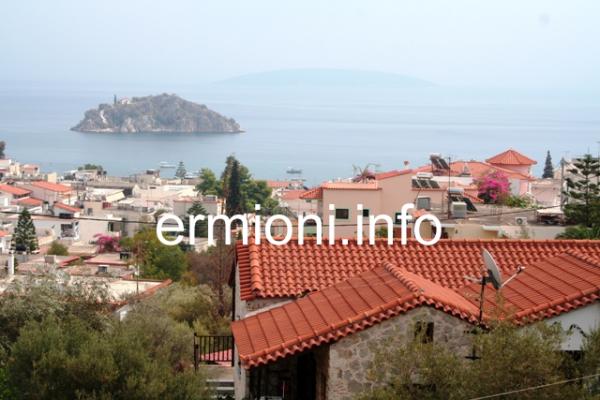
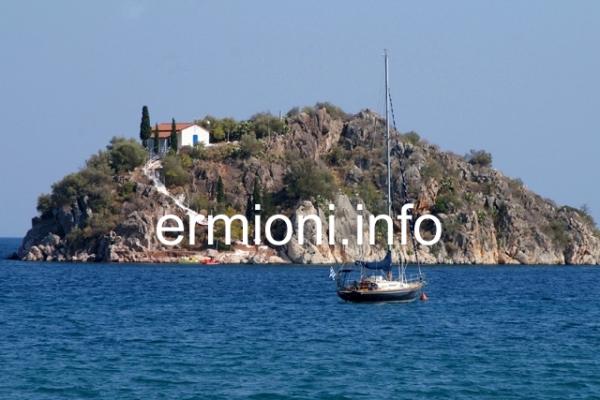
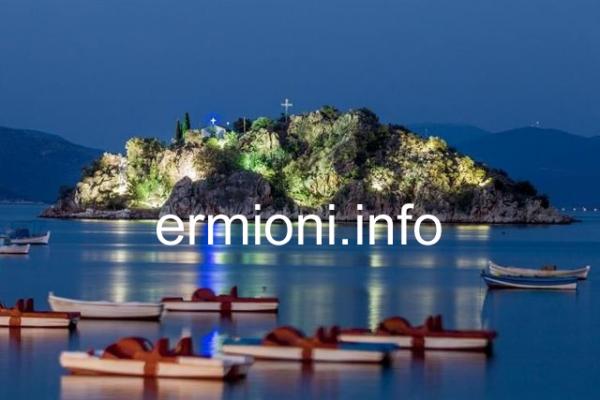
Across from the resort of Tolo there are three small islands called Koronisi, Romvi and Daskalio. They all have beautiful beaches and charming coves for the visitor who wants to be in relaxing natural isolation, enjoying the picturesque bays for swimming or fishing, however, they offer no facilities. These beaches can be reached by boat, canoe, pedal-boat or jet-ski from the mainland.
Further East, beyond Ancient Assini, there is another long sandy beach called Paralia Assini. The beach is not commercialised, apart from a small cafe, and offers a quiet relaxing area for sunbathing, swimming and camping for the more adventurous visitors. The beaches of Plaka and Kondily are only 2 and 4 kms from Tolo and can be reached easily by boat, unless you fancy a walk.
Tolo is a 15 minute drive from Nafplio, and is connected by daily KTEL InterCity buses from Athens via Nafplio. Once at the resort, you can rent cars if you wish to explore the surrounding areas. You can also rent sailboats from Tolo, with a skipper if required.
Following the Greek War of Independence (1821-29) a number of ethnic Greek refugees from Crete were resettled around Tolo. In 1834, a coastal port was officially founded by Royal Decree and named Minoa, after the legendary King Minos of Crete. After the liberation of Crete in 1913, remaining Cretan refugees formed a fishing village, which eventually became known as Tolon in 1916.
ASINE - ANCIENT ASSINI - KASTRAKI
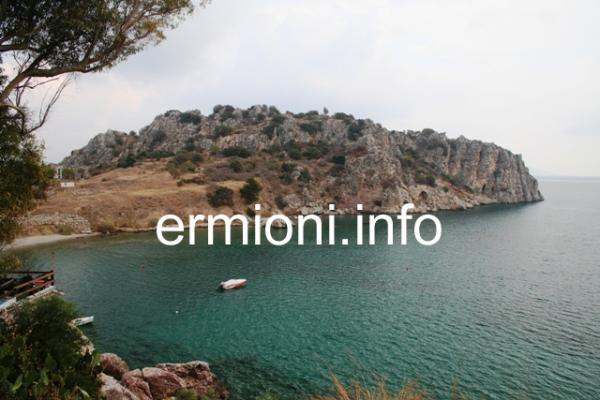
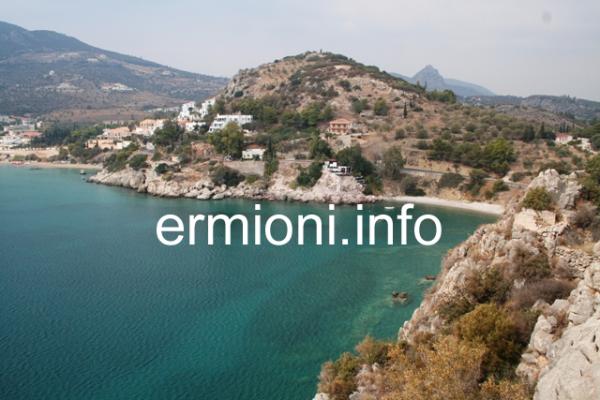
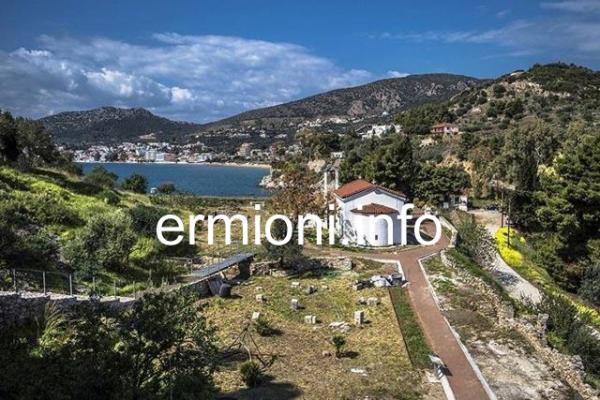
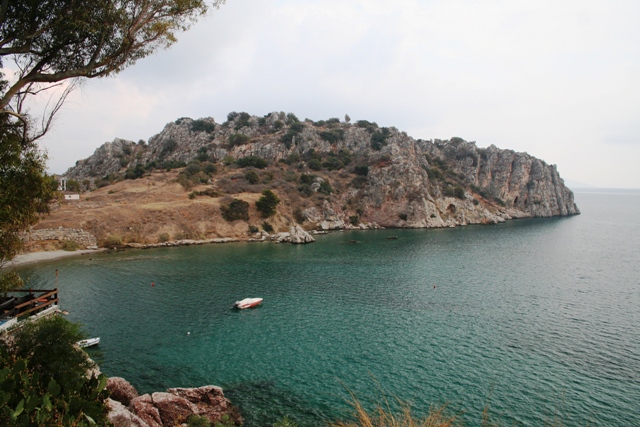 Asine (Ancient Assini) which today is also known as Kastraki, lies 2 kms East of Tolo, at the far end of a curved bay, where swimming can be enjoyed on a less crowded beach. Founded by the Dryopeans, the first information about the gulf of Tolo and Ancient Assini was from Homer, where he described that together with Hermione, Argos, Epidavros and Tiryns, Assini took part in the Trojan War, with a total fleet of 80 ships that were led by King Diomedes. Assini was destroyed by Argos in 740 BC because the city supported Sparta in its war against them. The homeless citizens were offered new lands in Messenia by the Spartans and founded a new city there, also naming it Assini, near today's modern town of Koroni. The Argives/Dorians later rebuilt and repopulated the original Assini, and it became a thriving commercial centre for its new occupants, as well as various invaders, for many hundreds of years.
During the Ottoman Empire, the surrounding area of Asine was called Tzeferaga, a name given by the Turkish occupiers. In 1902 it was officially renamed and called Asine, derived from its original ancient name of Assini. Today, the nearby village of Asine is also called Kastraki by the locals, whilst the historic archaeological site on the peninsula continues to be referred to as Ancient Asine.
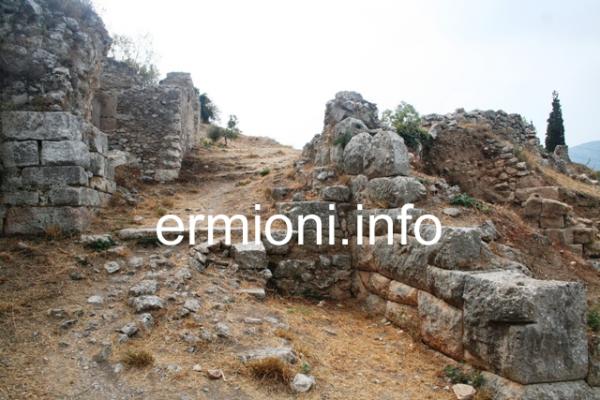
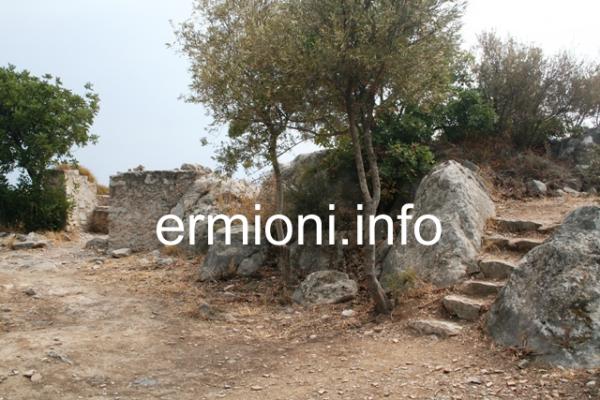
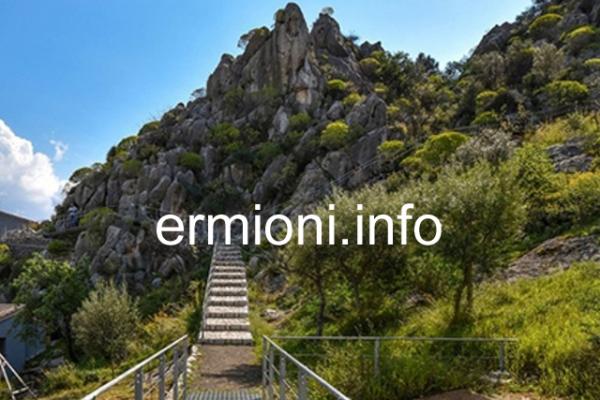
Today's Asine archaeological site had a great deal of renovation completed recently, with new walkways giving better access to the Acropolis from the site entrance, eliminating the need to climb steep rocks to the summit. Ancient Asine site admission: 5 Euros.
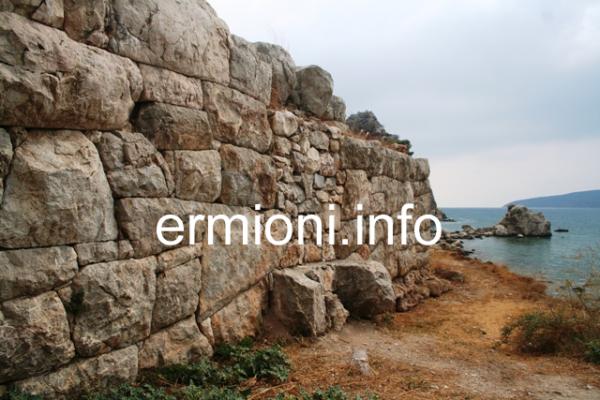
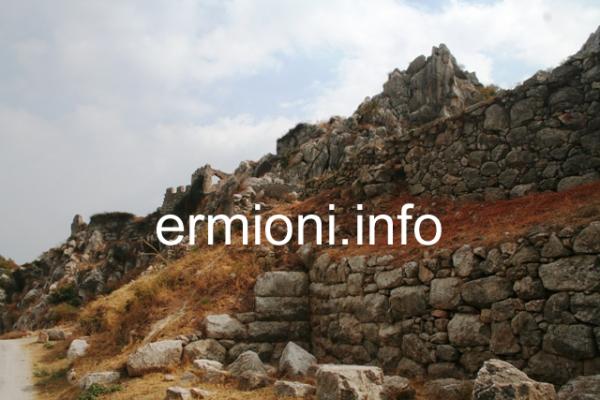
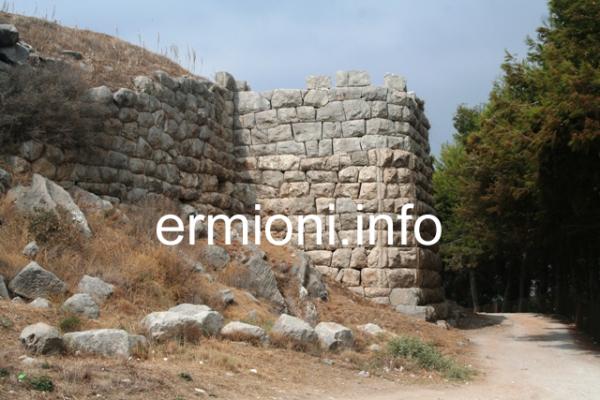
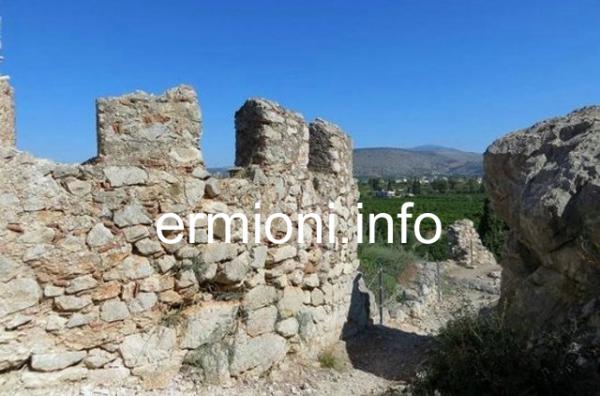
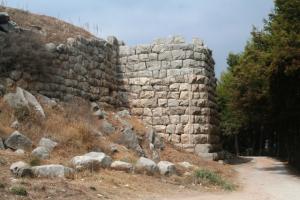 Sections of the defensive walls and parts of the ancient acropolis are still standing today, particularly from the Macedonian/Hellenistic period. The visitor can climb onto the 52 metre high rock and view the remains of this ancient acropolis, fortifications and tombs, which are all from the Mycenaean, Macedonian and Hellenistic periods. Fortifications continued to be added to the whole acropolis during the late Roman, Byzantine and Venetian periods. Even during the Second World War, trenches and defence works were built by the occupying Italian forces. This whole area was excavated in the 1920s by Swedish archaeologists, their findings showed that Assini had strong trade contacts with Athens, Sparta, Hermione, the Southern Peloponnese and the Cyclades islands. Most of the archaeological finds from Assini are exhibited at the Archaeological Museum of the Peloponnese, in Syntagma Square, Nafplio.
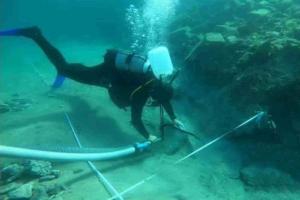 In 2025, archaeologists discovered a 2,000-year-old underwater port within the bay, next to the ancient Asini archaeological site, shedding light on a lost maritime hub that once connected Greece to Mediterranean trade routes. The excavations have been carried out by the Hellenic Ministry of Culture in partnership with Swedish reasearchers, revealing massive stone foundations beneath the seabed, pointing to advanced engineering used for both commerce and defence. Artifacts including anchors, ceramics and various tools are now under analysis to detaimine the port's age and activity. Researchers say the findings could date back as early as the Mycenaean era (1600-1100 BC) or reflect continuous use during the Hellenistic and Roman periods. Mentioned in Homer's poem Iliad as an ally in the Trojan War, ancient Assini thrived throughout centuries of shifting powers within the ancient world.
Location
Tolo Town & Resort
Greece
37° 31' 17.778" N, 22° 51' 38.3796" E
Picture Gallery