Marathon
 MARATHON - Distance from Ermioni: 208km / 3hours
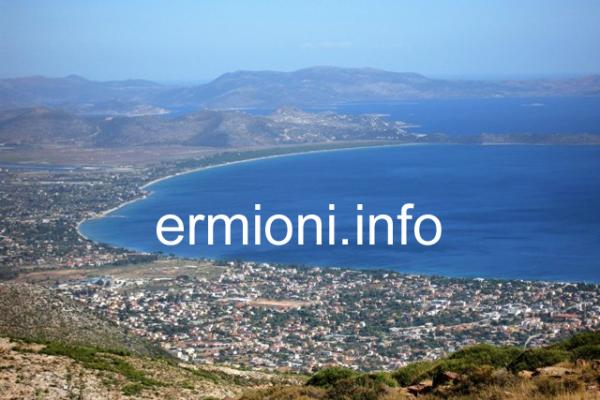
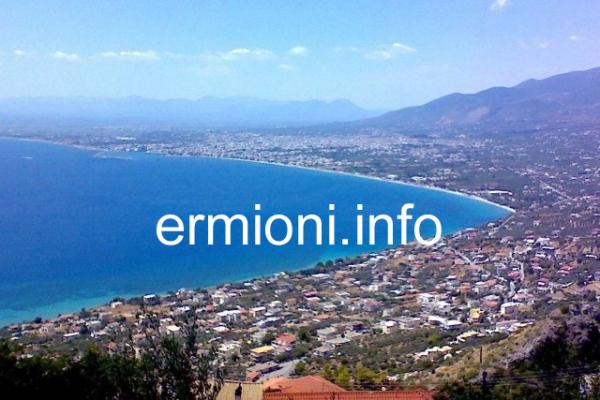
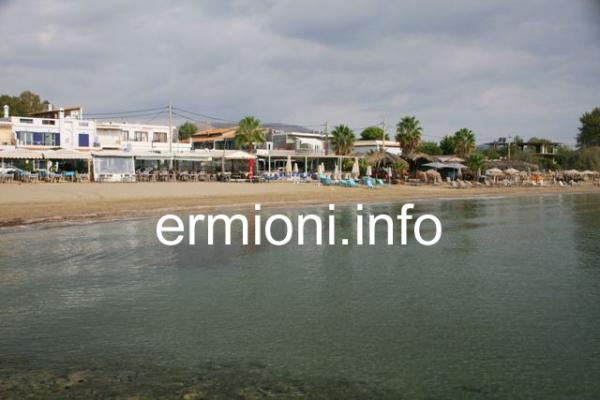
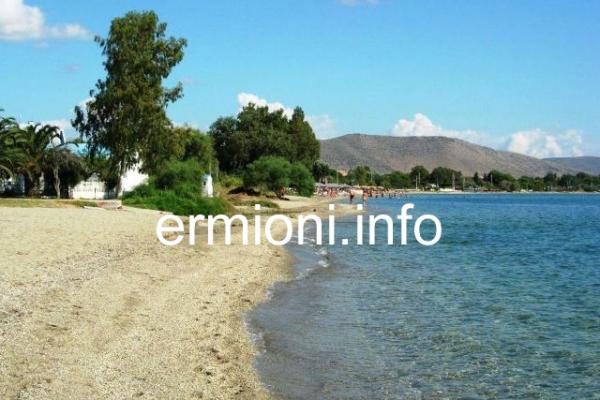
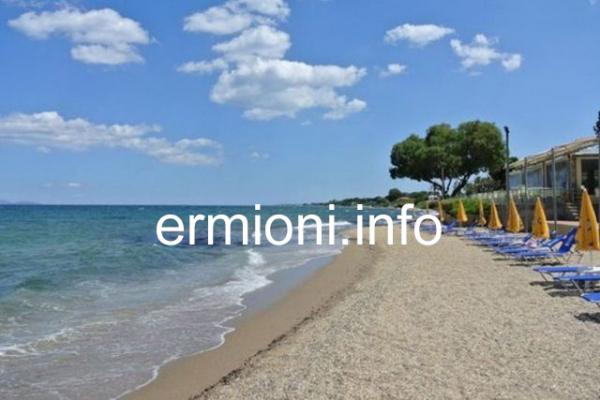
Marathon (Marathonas) is world famous for the historic Battle of Marathon, which took place around 12th September 490 BC. Following the victory of the Athenians and their Plataean allies against superior Persian troop numbers, a runner/herald was despatched to report this great victory in Athens, whereas upon delivering his message of victory, the runner collaped and died. This run from Marathon to Athens is today commemorated with the world famous Marathon race, which is run at the modern Olympic Games as well as numerous cities around the world. Today, the Bay of Marathon is extremely popular as a holiday destination for visiting tourists as well as local visitors from Athens and mainland Greece. The area offers some fabulous sandy beaches in addition to 5 star luxury hotels, holiday homes, apartment complexes, family hotels and organised camping sites.
Prior to the Battle of Marathon, an Athenian runner called Pheidippides was despatched to Sparta to ask for military assistance against the invading Persian army of King Darius the Great. Although Sparta had the best army of all the Hellenic city states, they were not allowed to march to Athens' aid due to the sacred religious festival of Carneia being observed throughout Lakedaimon.
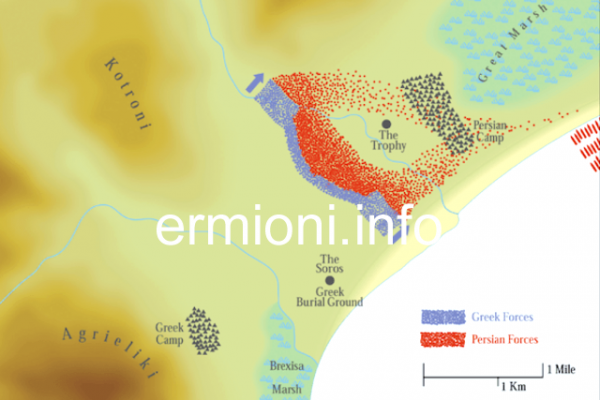
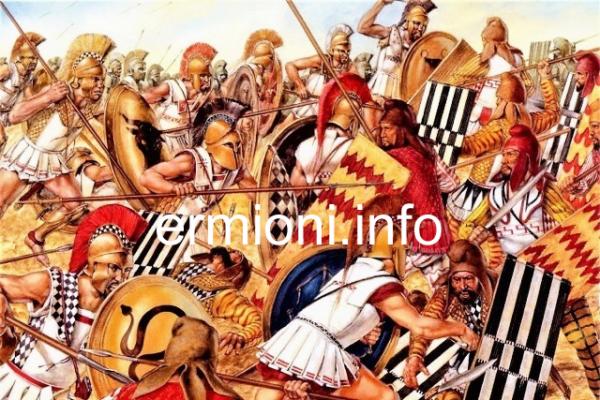
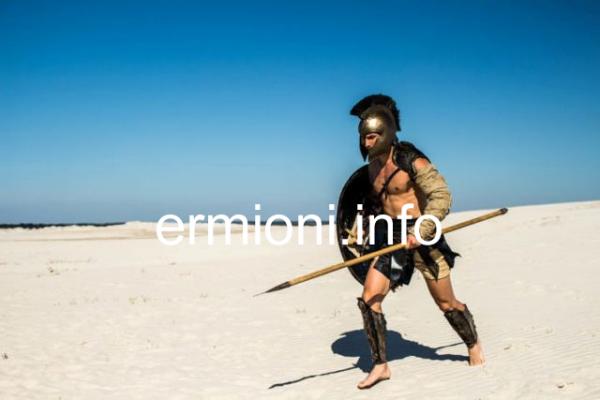
Pheidippides returned to Athens within days with the Spartan reply, leaving the Athenian city-state on its own to face the Persian invasion. The Athenians, under the overall command of the Polemarch (war-archon) Callimachus and primary Strategoi (strategist) General Miltiades the Younger, raised a force of 10,000 elite hoplite warriors, and a small number of gymnoi lightly armed citizen support troops for the defence of their city. A force of 1,000 Plataean hoplite warriors later joined the Athenians against the Persian force of over 26,000 infantry and around 10,000 mounted archers, in over 600 ships. This impressive Persian invasion force, commanded by General Artaphernes and Admiral Datis, landed at Schinias beach, with the plain of Marathon spread out beyond it.
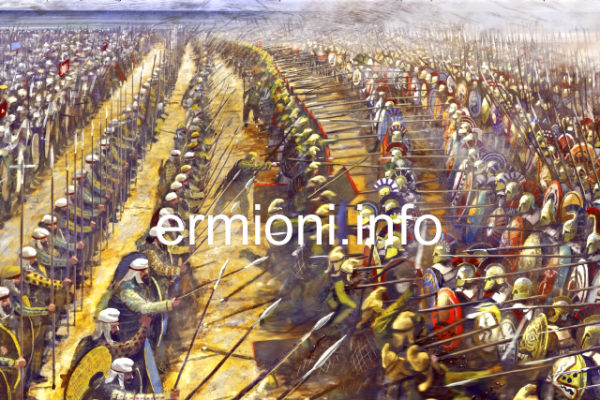
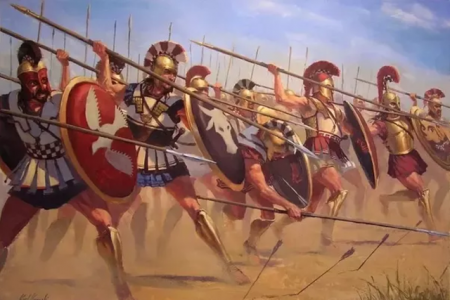
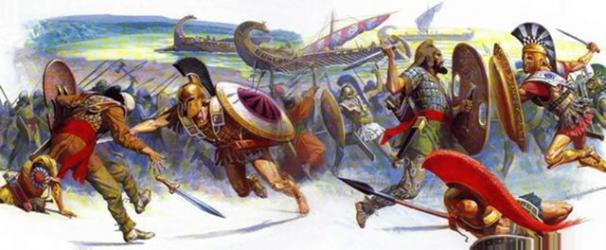 The Athenians, led by 10 tribal Strategoi, arrived at Marathon and positioned themselves in blocking the most direct coastal route to Athens, trapping the Persians on the plain next to the sea. The two armies then just waited. Finally on the fifth day, the Athenian army suddenly attacked! Miltiades had reinforced his flanks, luring the Persian best fighters into the centre. As the two armies came together, the Athenian inward wheeling flanks then enveloped the Persians, routing them. As they broke in panic towards their ships, 6,400 Persians were slaughtered and many more were drowned.
Athenian Polemarch Callimachus was killed during the retreat of the Persians while he was chasing them to their embarking ships. According to Herodotus's Histories, written 40 years after the battle, the Athenians lost 192 men with the Plataeans losing 11 men.
One reason why the Athenians attacked the larger Persian army was probably because some of the invading force had set sail for Athens, which had been left unprotected. So immediately following their victory at Marathon, General Miltiades sent a runner back to Athens to inform them of their victory, whilst the Athenian army was forced-marched 40 kilometres back to their city. Upon reaching Athens, the runner conveyed his message, Nenikikamen 'We have won', then collapsed and died. When the Persian fleet neared Athens and found an army waiting for them, they simply turned-about and sailed back to Asia. The defeat at Marathon marked the end of the first Persian invasion of Greece, however, the Persians would return in much greater numbers 10 years later.
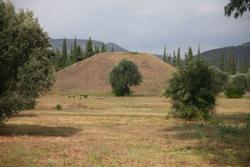
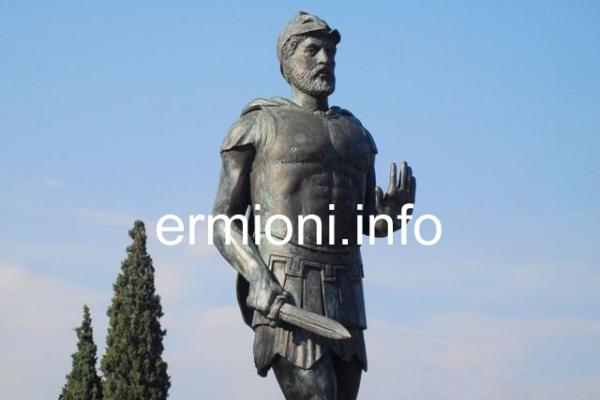
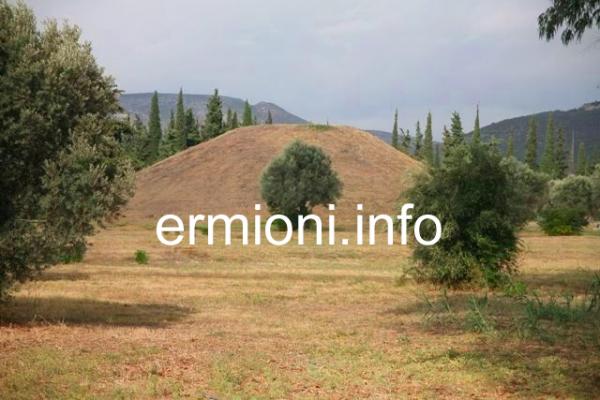
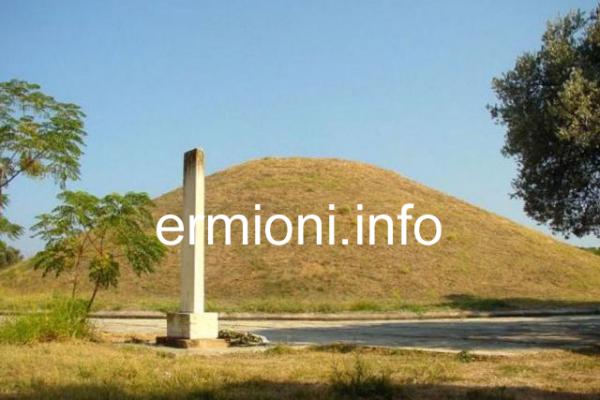
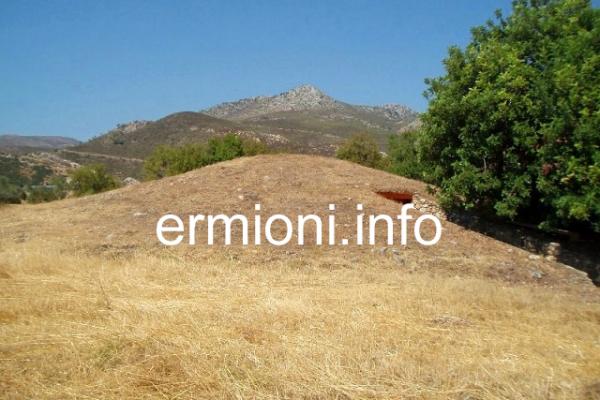
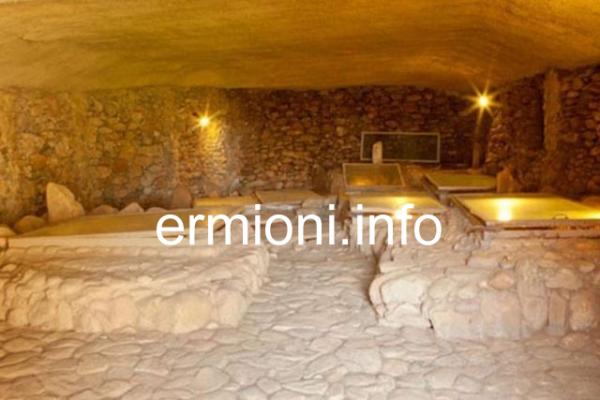
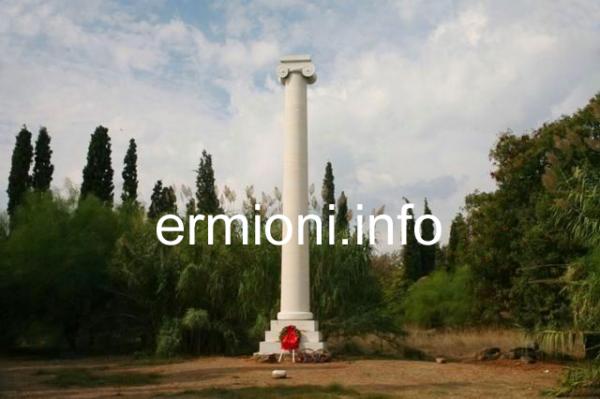
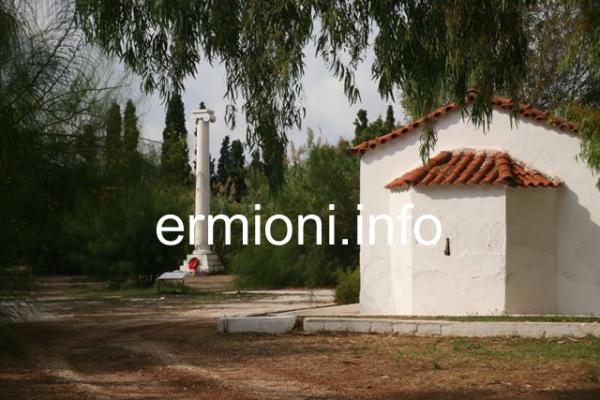
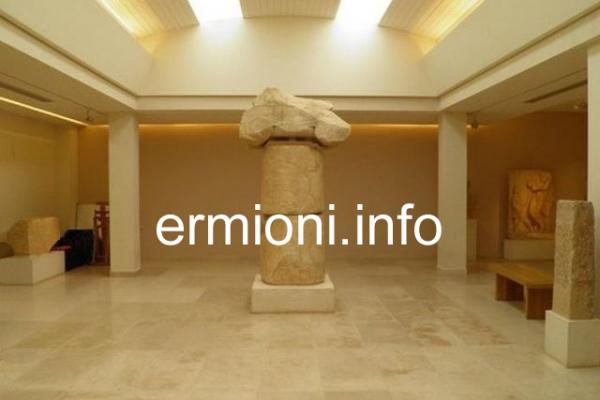
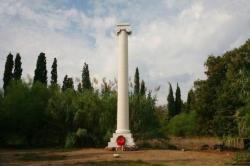 Visitors to Marathon can see The Soros burial mound (tumuli) of the 192 Athenians killed in the battle, with a statue of Miltiades by the entrance gate. The 11 Plataeans that were killed were buried in a smaller mound close by. Further along the shoreline, the Athenians later built a 10m high Trophy (Tropaion) of Marathon. Parts of the original Ionic pentelic marble column can be seen in the Archaeological Museum of Marathon, today a modern replica stands in its place.
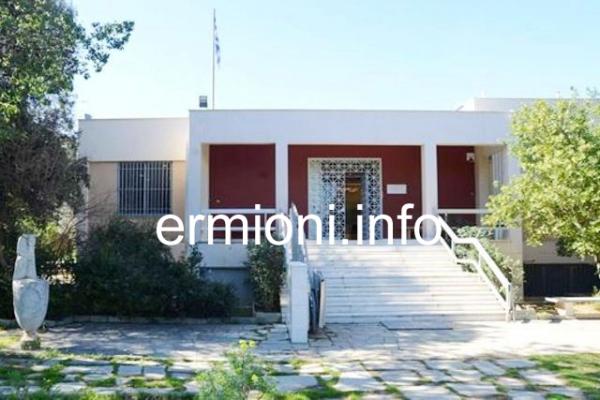
In addition to the two burial mounds and the Trophy monument, Marathon has two museums within the town, the Archaeological Museum and the Marathon Run Museum, dedicated to the 40km race that started with the victorious run from Marathon to Athens.
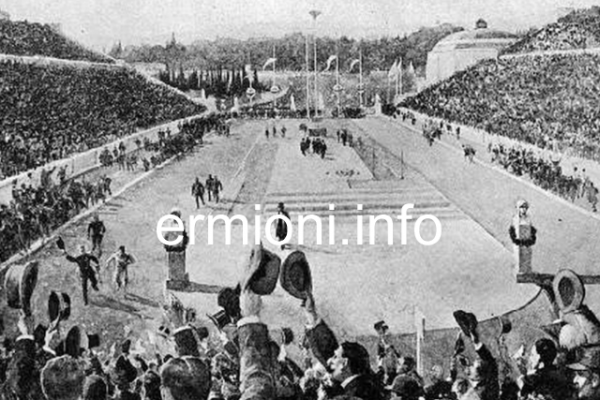
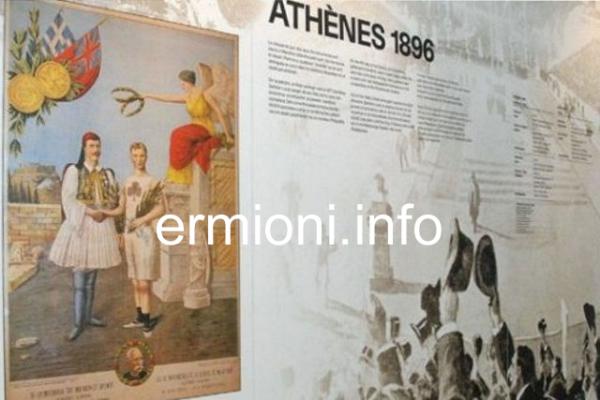
When the first modern Olympic Games were held in Athens in 1896, the organisers decided that a tribute to the original Marathon run should be the final race highlight of the Games, and so it has continued until the present day. The first modern Marathon race was won by a Greek by the name of Spyridon Louis, running 40 kms. The distance of the Olympic Marathon race then adopted the 1908 distance, held in London, to be 42.195 kilometres or 26.219 miles. Many major cities throughout the world now hold their own annual 'Marathons', with Boston being the first in 1897. In Greece, the annual 'Authentic' Athens Classic Marathon race, first held in 1972, still starts from Marathon and finishes in the marble Panathenaic Stadium in Athens, used for the 'Games of I Olympiad'.
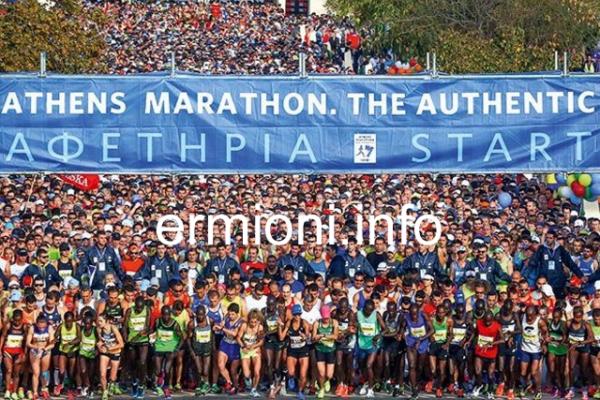
'Athens Marathon: The Authentic' is held over the second weekend of November, with an opening ceremony held on Saturday at the Marathon Tomb, the Soros burial mound. The competition programme starts with the 10km road race and a Universities 10km Night Run, attracting thousands of runners of all ages from over 80 countries. On Sunday morning, a 5km mini-marathon is run starting at 08:00am, with the main 42.195km Athens Marathon event, which starts at 09:00am, which is divided into groups with different starting times, with each group divided into eight blocks to avoid overcrowding. In 2023, the 40th race was rebranded from the Authentic Athens Marathon to 'Athens Marathon: The Authentic'.
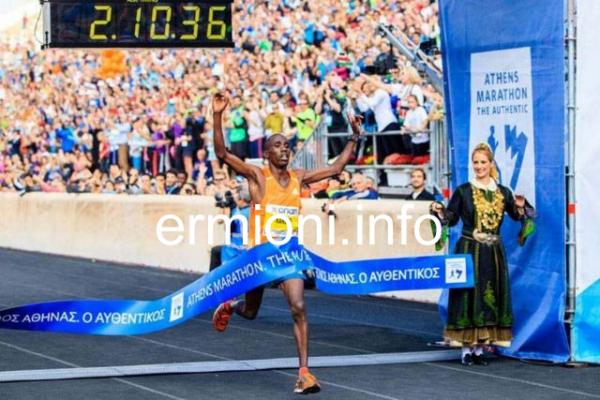
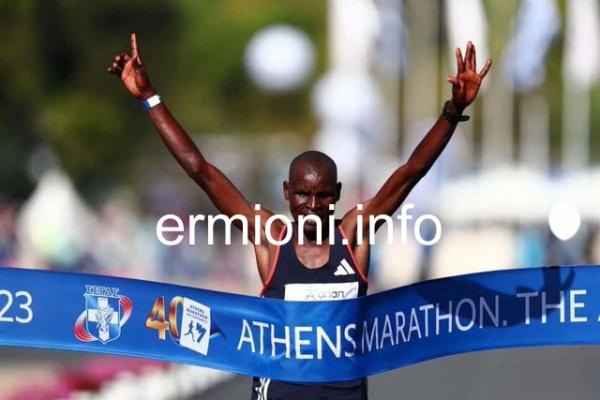
The course record was set by Edwin Kiptoo from Kenya in a time of 2:10:34 in 2023
The 41st 'Athens Marathon: The Authentic' took place on Sunday 10th November 2024.
- Haralampos Pitsolis - Greece - 2:18:56 Pitsolis also won the race in 2022
- Panagiotis Karaiskos - Greece - 2:19:50
- Georgos Menis - Greece - 2:21:40
- Konstantinos Stamoulis - Greece - 2:22:49
The 42nd 'Athens Marathon: The Authentic' took place on Sunday 9th November 2025
- Panagiotis Karaiskos - Greece - 2:20:10
- Konstantinos Stamoulis - Greece - 2:23:24
- Laszlo Tarnai - Hungary - 2:23:52
- Haralampos Pitsolis - Greece - 2:24:02
The 43rd 'Athens Marathon: The Authentic' will take place on Sunday 8th November 2026.
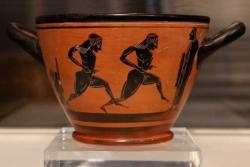 An ancient Greek Cup awarded as a prize to the marathon winner in the first modern Olympics of 1896 has been returned to Athens from a German university. Greece's Culture Ministry says the 6th century BC pottery vessel was considered lost for decades until research in 2014 by archaeoligist Georgos Kavvadias identified the cup in the University of Muenster's collection. A ministry statement says it was proved beyond any doubt that the two-handed cup painted with ancient runners was the one given to Spyridon Louis, the Greek marathon victor in 1896. The university agreed to return the cup, which was part of a private collection it had bought in 1986. The ancient Marathon vessel was presented at a ceremony on 13th November 2019 at the National Archaeological Museum in Athens.
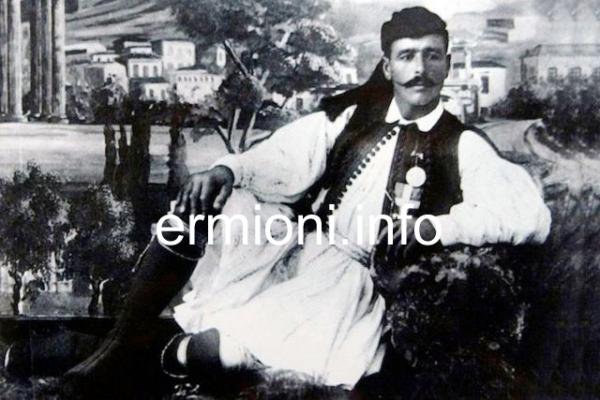
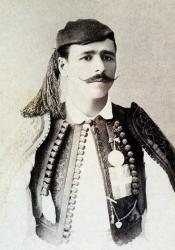 In the 1896 Olympic Games hosted in Athens, then known as the 'Games of the I Olympiad', the winner of each event recieved a silver medal, the runners-up got a copper medal, with no medal given to third placed athletes. Greece won the most medals overall, with the U.S.A. winning the most silver (gold) medals. The victor in the first Marathon race, Spyridon Louis, was the only Greek winner in the athletics events, was also presented with a small silver cup and an ancient pottery two-handed cup, together with his laurel leaves and diploma. After his victory, Spyridon, a humble water carrier, became a national hero, receiving gifts from many of his countrymen. In 1936 he was chosen to be the flagbearer for the Greek delegation at the Olympic Games in Berlin, where he recalled his exploits of four decades earlier. "That hour was something unimaginable and it still appears to me in my memory like a dream . . . Twigs and flowers were raining down on me. Everybody was calling out my name and throwing their hats in the air." Spyridon Louis died four years later, aged 67, on his headstone the inscription reads . . . 'Blessed by the Gods - A Hero of Greece'
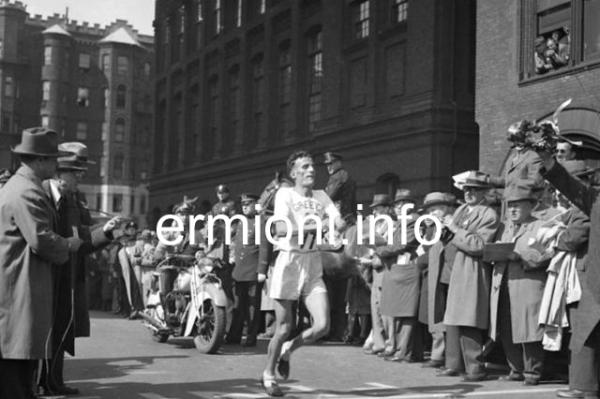
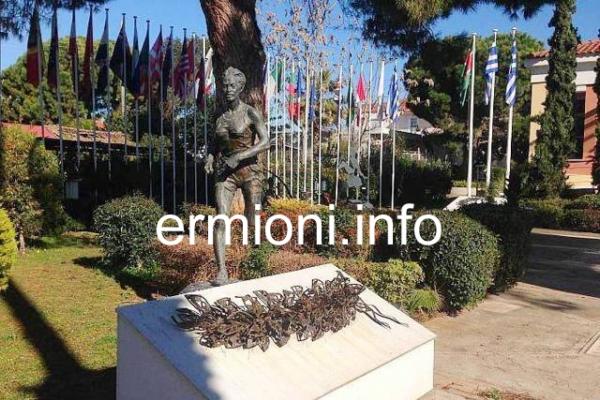
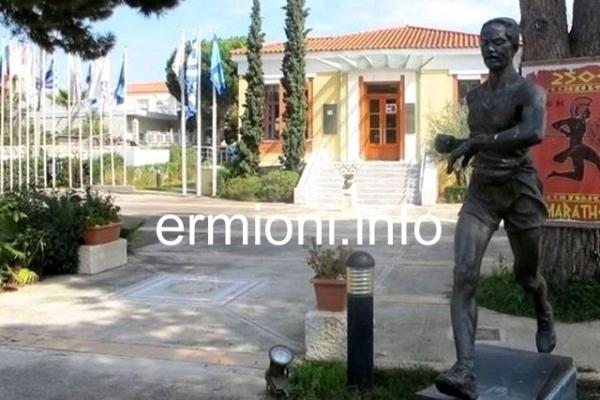
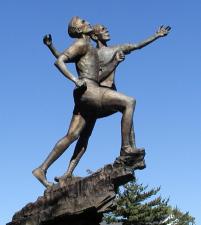 Another legendary Greek Marathon runner was Stylianos (Stelios) Kyriakides, who represented Greece in the Marathon at the 1936 Berlin Olympics, where he finished in 11th place and was able to meet his hero Spyridon Louis. However, Kyriakides is best known for winning first place in the Boston Marathon in 1946, after crossing the finishing line, clocking in 2:29:27, Kyriakides looked up to the skies and shouted "For Greece". The Cypriot born runner did not go to America seeking glory or records, but to raise awareness and funds for his people who were dying from hunger and cold after WW2 and the Greek Civil War. Following his win, he toured America to raise desperately-needed funds that would be used to help feed and cloathe his fellow Greeks back home. In the Sports Museum in Boston, there is a permanent exhibition in honour of the Greek Marathon runner, with the title of 'Stylianos Kyriakides - Running for Mankind'. The city of Hopkinton, where the Boston Marathon starts, unveiled a stunning statue of Kyriakides called 'The Spirit of the Marathon', the statue features Kyriakides running alongside his inspirational hero Spyridon Louis. It was dedicated in 2006 on the 60th anniversary of Kyriakides' Boston victory, with a copy of this sculpture being placed in the Municipality of Marathon in Greece.
Marathon Archaeological sites and Museums are closed on Mondays and National Holidays. Admission: from 5 to 10 Euros. Most places close at 15:00.
Location
Marathon
Greece
38° 7' 51.3876" N, 24° 0' 29.5812" E
Picture Gallery