Acrocorinth
 ACROCORINTH - Distance from Ermioni: 116km / 2 hours
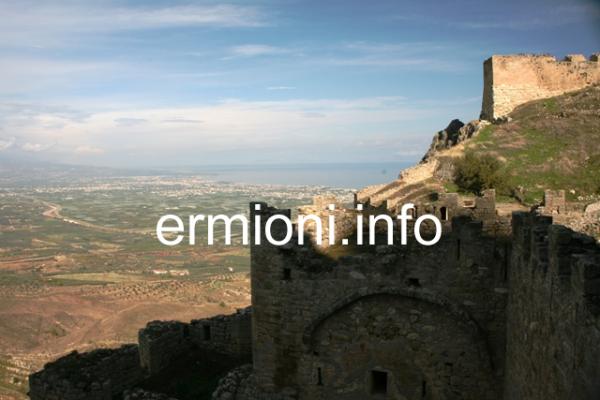
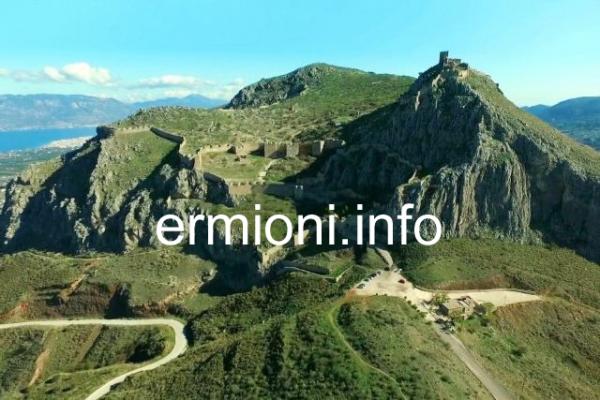
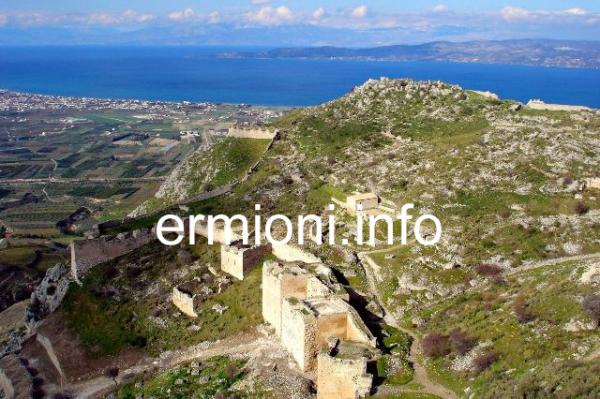
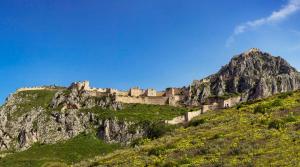
Acrocorinth (Akrokorinthos) has always been the fortress of Ancient and Medieval Corinth, being on a steep, rocky hill 575m high at its highest peak, with uninterupted views across the Corinthian and Saronic Gulfs. First built in the early 6th century BC, it has been an important fortified citadel throughout history for the Ancient Greeks, Macedonians, Romans, Byzantines, Frankish Crusaders, Venetians, Ottomans and eventualy the Hellenes during the Greek War of Independence, 1821-1829. More recently, there was a German garrison stationed there following the Nazi invasion of Greece in May 1941. Acrocorinth is considered to be the oldest and largest fortress in the Peloponnese, with its walls being nearly 2,000 metres in length. With a secure water supply, the fort was a last line of defence of southern Greece, repelling various enemies throughout history.
 In 1208, under Leon Sgouros, the fortress held against Frankish invaders, later passing to Michael I Komninos Doukas of Epirus, and after a five year seige, to Guillaume de Villehardouin, completing the Frankish conquest of the Peloponnese. In the 14th century, Acrocorinth sheltered the entire population of Corinth for three centuries. Acrocorinth was sold to Theodore Palaiologos in 1395, captured by Mehmed II in 1458, taken by the Venetians in 1687, then retaken by the Ottoman Turks in 1715. This last occupation by the Ottoman Turks led to the destruction of many ancient and medieval monuments within the citadel, as all the marble and stone was used to construct the Kiamil Bey's seraglio palace.
On 14th January 1822, during the Greek War of Independence, Dimitrios Ypsilantis and Theodoros Kolokontronis secured the surrender of the formidable Acrocorinth fortress from its Ottoman garrison. The Turks handed over the stronghold to Kolokotronis, who raised the Greek flag, blessed the entrance gate and entered the citadel. This marked the first time in modern Greek history that the new Greek flag flew over Acrocorinth, one of the most symbolic moments in the new nation's struggle for freedom.
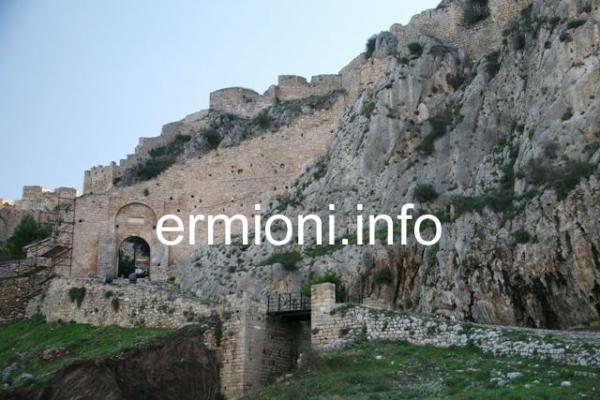
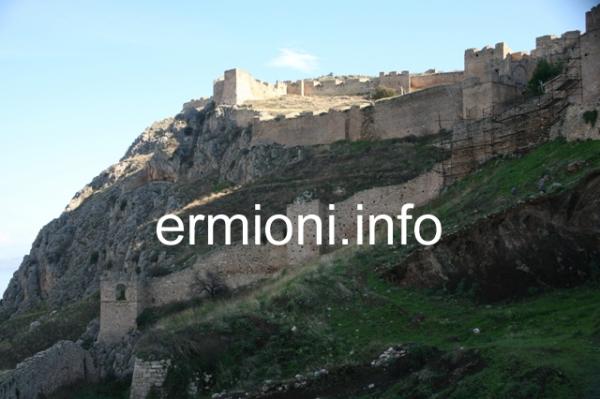
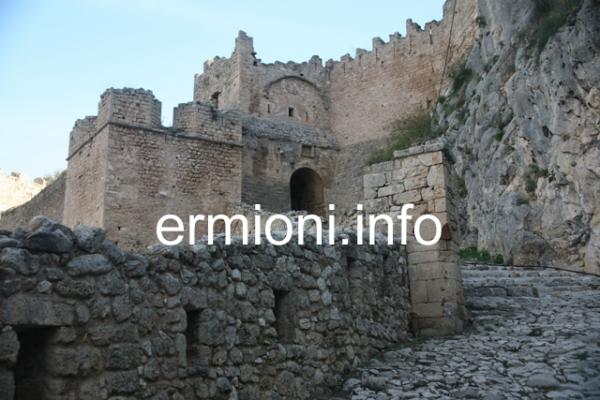
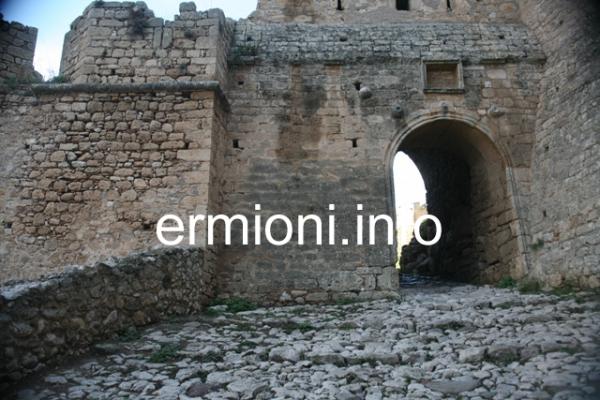
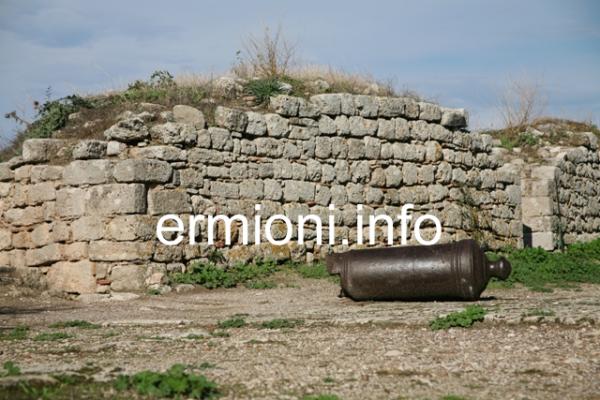
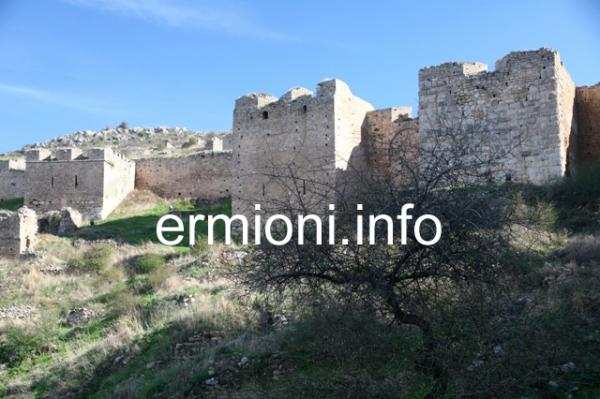
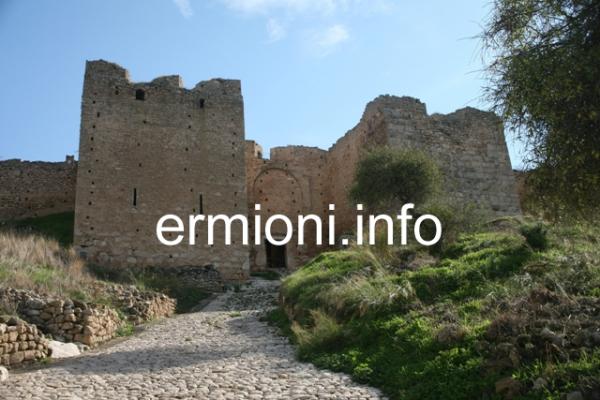
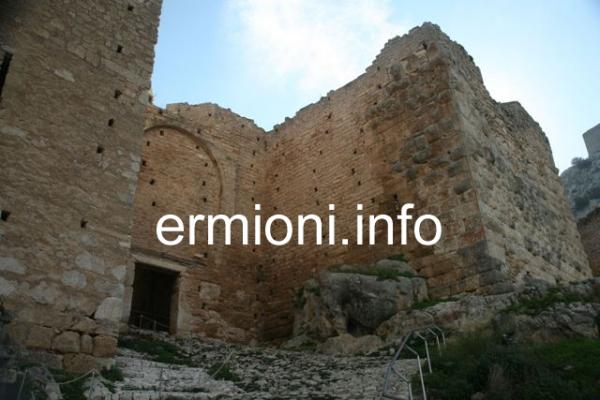
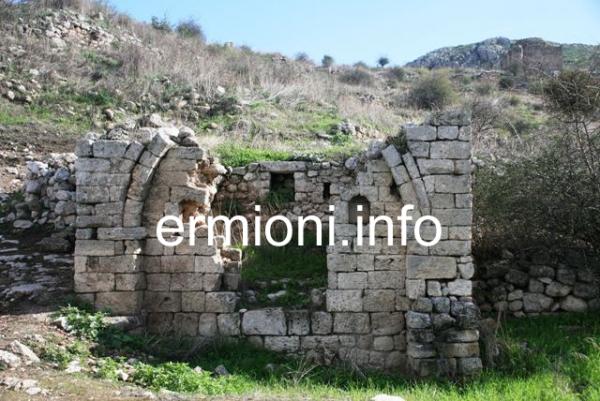
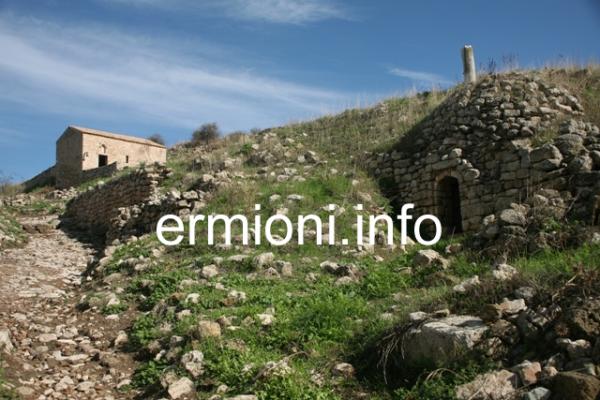
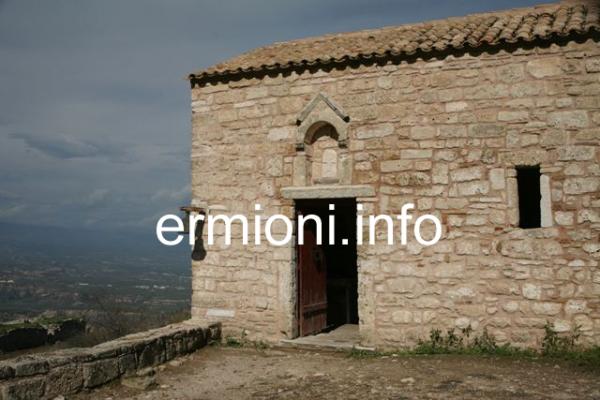
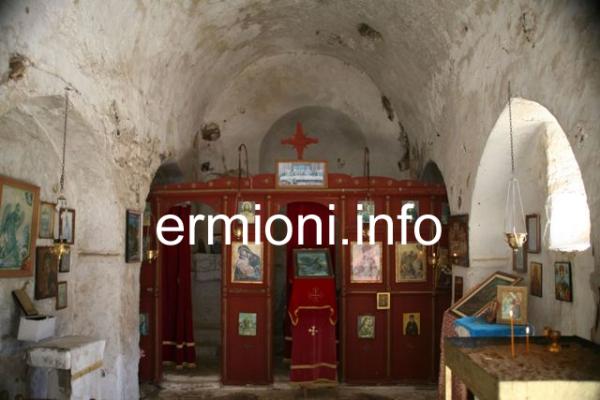
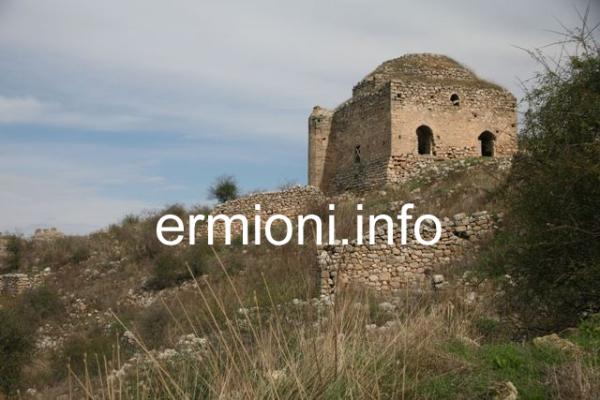
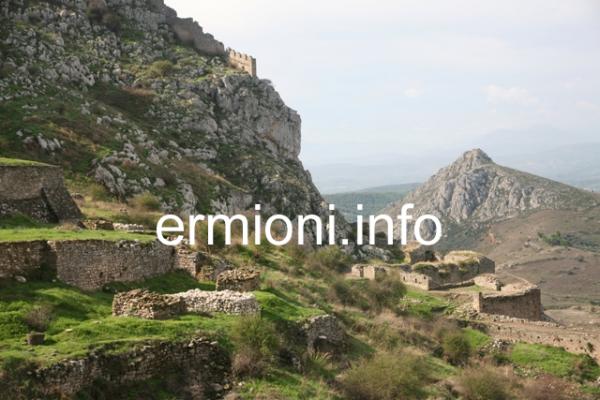
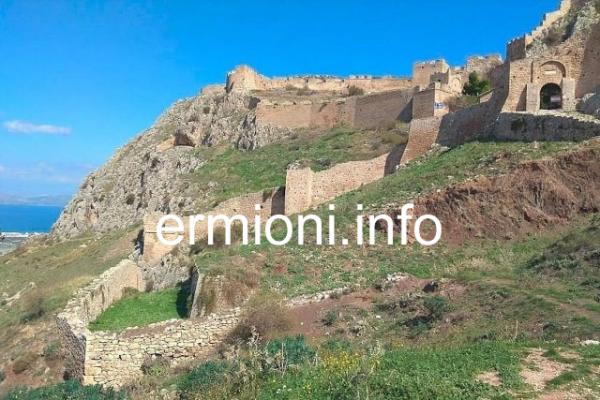
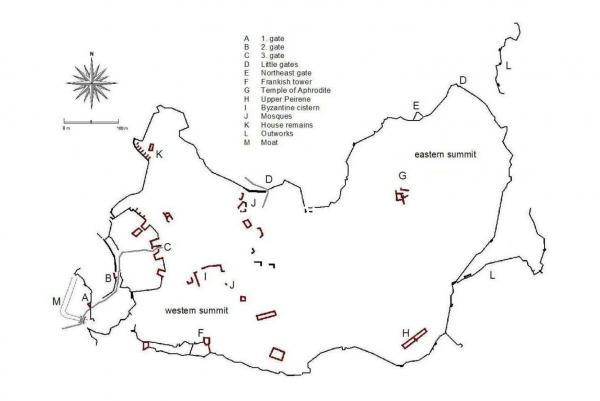
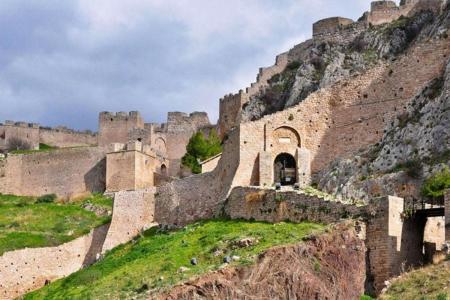
The Acrocorinth is only accessible on its Western side, where there is a triple wall with three successive fortified gates. Most of the defensive towers and walls we see today are medieval, but built on ancient foundations. There is a moat before the first outer gate, with cannon enplacements on the first and second middle gates. Once past the giant third gate, one sees a multitude of buildings, sancturies, mosques, fountains and a Christian church, which has three wall frescoes showing through the Ottoman clay plaster.
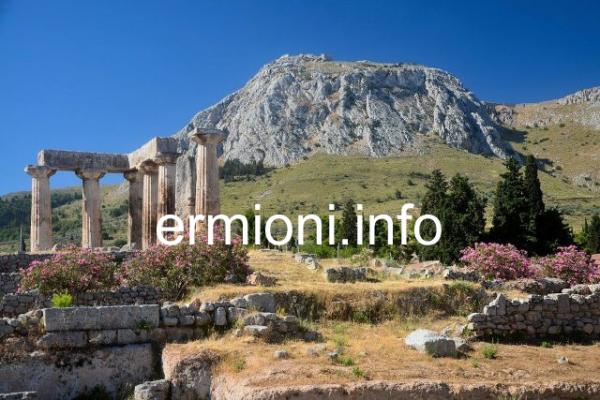
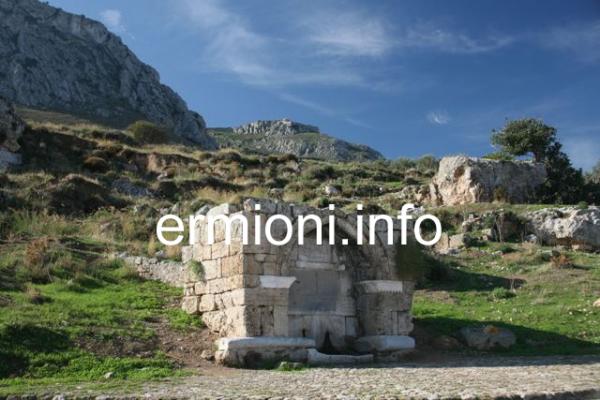
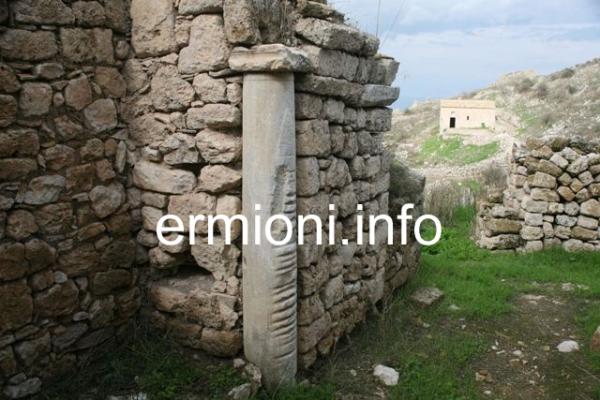
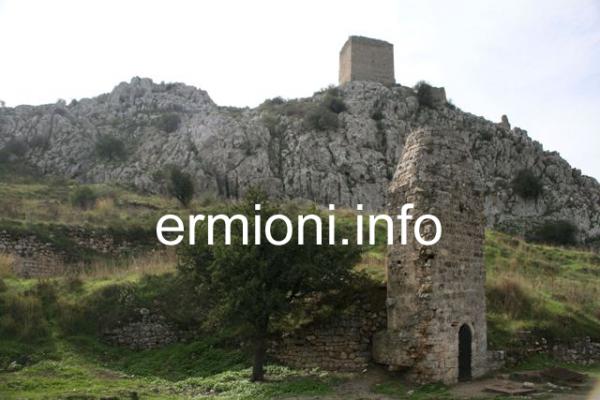
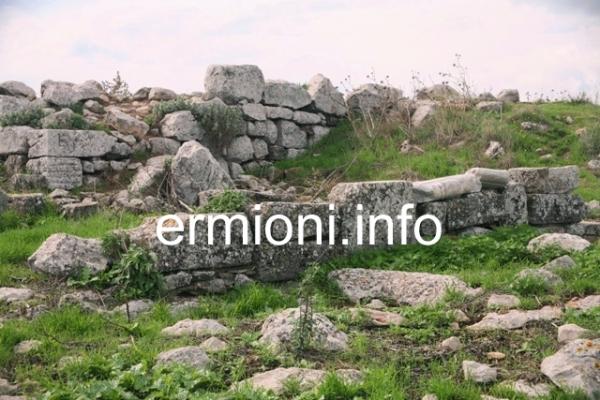
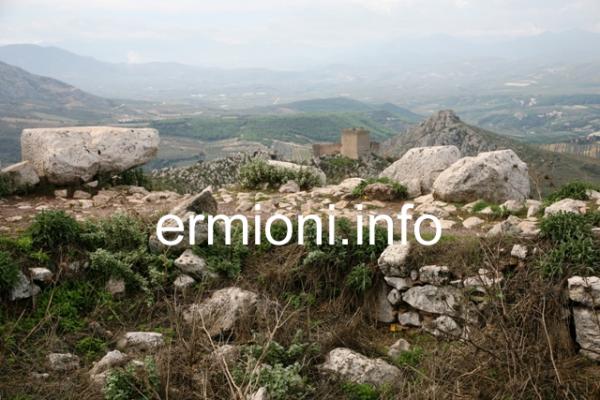
 The West peak has a high Frankish Crusader watchtower (right) protecting the whole Triple wall access and the lower town. Within the Acrocorinth fortifications, at the highest peak, are the foundations and ruins of the famous Temple of Aphrodite. During the ancient period, up to a thousand of her 'priestesses' practiced the oldest profession, although most practiced within the city of Corinth itself. Not much is left of this archaic temple, only the foundation stones and a single column base, because other structures were built on this site during the Roman, Medieval and Ottoman Turkish periods. Sultan Mehmed II captured the fortress from the Byzantines in 1458, five years after conquering Constantinople, building four mosques within its walls. Ruins of some are still visible, including Ottoman fountains.
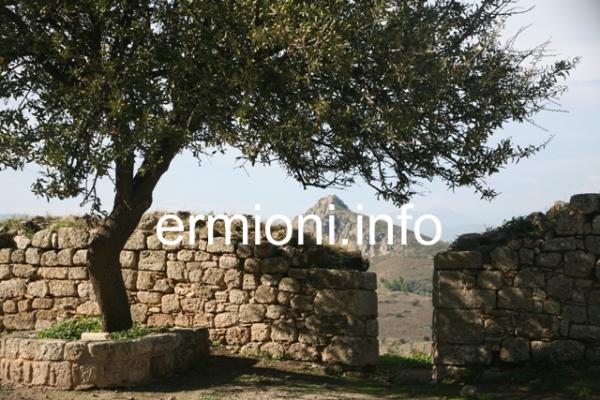
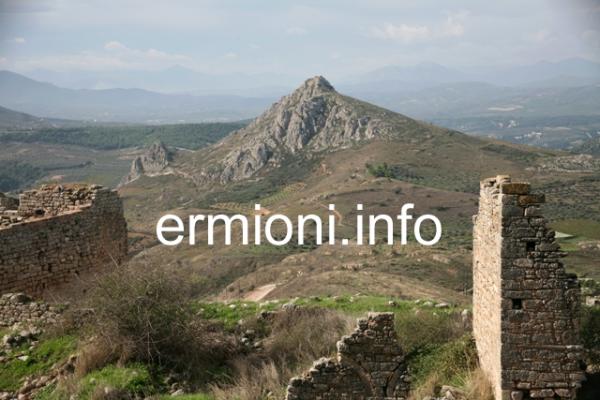
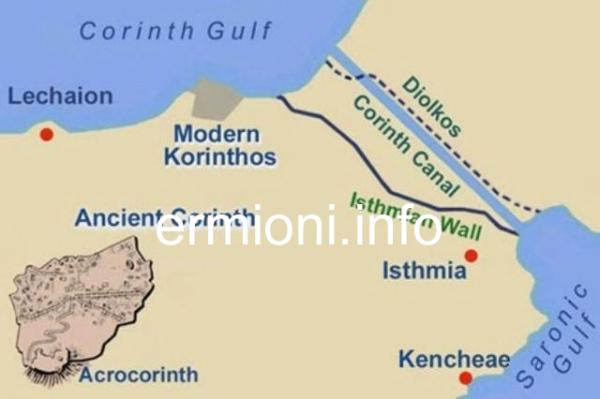
The long climb to the summit of Aphrodite's temple is worth the trouble, as the panoramic views from this point are just amazing, not just of Acrocorinth itself, but the new coastal city of Corinth and the whole Corinthian Gulf below, including the Corinth Canal. On clear days, you can even see the Acropolis of Athens, a distance of 80 kilometres.
 From Ancient Corinth, take the winding mountainside road which leads up to Acrocorinth. The distance to the Acrocorinth car park is approximately 4 kms. From the small car parking area, you will see the narrow access pathway which leads up to the first outer gate. This pathway continues through the first, second and third gates, and is made up of irregular cobblestones, so sensible footwear is advisable. Once through the third gate, the various pathways are beaten earth tracks, so take care if the ground is wet. It is best to visit Acrocorinth early or mid-morning, as the site is open from 08:30 and closes at 15:30 and you will need lots of time. Occasionally the gates will close at 14:00 if the weather turns bad. Admission to Acrocorinth: Free
Location
Acrocorinth
Greece
37° 53' 26.9664" N, 22° 52' 22.0224" E
Picture Gallery