1821 Mani Uprising
17 March 2026 - 2:00pm
 Mani in the southern Peloponnese is widely considered the place where the Greek uprising against Ottoman rule truly began on 17th March 1821, rather than Kalavryta on 25th March as is commonly believed. Although that date was later designated as the day of revolt and the beginning of the Greek War of Independence, revolutionary acts had already taken place in several areas across the Peloponnese peninsula in declaring an open revolution. According to written testimonies, the elites of the Mani region who had been granted privilaged status by the Ottomans, including the appointment of the Bey, Petrobey (Petros Bey) Mavromichalis, asked their leader to be the first to declare war against the Ottomans. Their declaration was in line with the plans of the secret revolutionary society Filiki Eteria.
At the call of Petrobey Mavromichalis, all the Maniot chieftans gathered at Tsimova (today's Areopolis) and decided to begin the fight againt Ottoman rule. This led to the quick liberation of Kalamata on 23rd March and establishment of the 'Messinian Senate'.
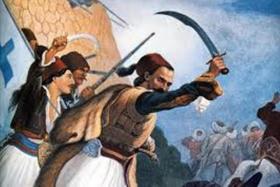
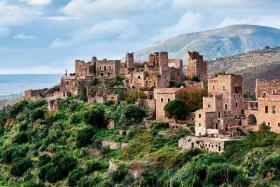

Throughout Ottoman rule in Greece, Mani remained virtually impenetrable, despite repeated attemps by various conquerors to enslave it. Its mountainous, barren terrain made it easy to defend against attacks. The area enjoyed a kind of independence through its alliance with Venice. Due to Mani's peculiar status, there were continuous armed conflicts in the area between Maniots and Ottomans, in fact, this was why the Maniots were the only experienced, hardened warriors in the whole of the Peloponnese.
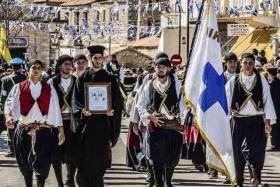
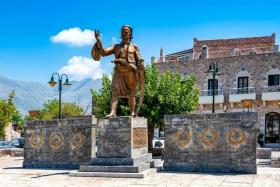
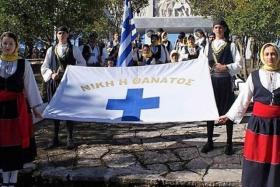
The proclamation of the revolution at Tsimova-Areopolis of Mani took place according to local oral tradition. There are no written testimonies of this monumental event, but on 17th March every year in Areopolis, a ceremony attended by the President of the Hellenic Republic commemorates the auspicious beginning of the Greek War of Independence in 1821. The Peloponnese region, with its long history of resistance against Ottoman rule and occupation, soon became the heartland of the Hellenic revolution.